
🚨 A $292 Million Hack That Shook DeFi to Its Core
On April 18, 2026, one of the largest DeFi exploits of the year unfolded when attackers drained approximately 116,500 rsETH tokens worth $292 million from Kelp DAO, a liquid restaking protocol built on top of Ethereum’s Layer 2 ecosystem. The attack moved fast. Within 46 minutes of detection, Kelp DAO’s team managed to freeze their own contracts, preventing an estimated additional $100 million in losses. The exploit itself worked by abusing a vulnerability in LayerZero’s EndpointV2 contract, a cross-chain messaging system Kelp DAO relied on to move assets between networks. The attacker spoofed a cross-chain message that tricked the bridge into releasing unbacked rsETH without requiring corresponding burns on source chains. A weak 1-of-1 DVN (Data Verification Network) configuration left the door open. Stolen funds were quickly converted into ETH and spread across lending platforms including Aave V3, SparkLend, and Fluid, triggering bad debt cascades across at least 20 chains.
🔐 Arbitrum’s Security Council Makes Its Move
Three days after the exploit, Arbitrum’s 12-member Security Council voted 9-to-3 to exercise its emergency powers. The council identified and isolated 30,766 ETH, roughly $71 million, that the attacker had moved onto the Arbitrum network and transferred those funds to a secure intermediary wallet, making them inaccessible to anyone, including the exploiter. The council described the action as a targeted approach that did not affect other users or disrupt broader chain operations. According to the council’s statement, the frozen funds can only be moved through formal Arbitrum governance processes, coordinated with relevant law enforcement authorities. Investigators have linked the suspected attackers to North Korea’s DPRK-affiliated hacking groups, though no arrests have been made. The recovery represents approximately 25% of the total amount stolen, leaving the remaining $221 million still unaccounted for across other chains and wallets.
🏛️ When Emergency Powers Meet Decentralization Principles
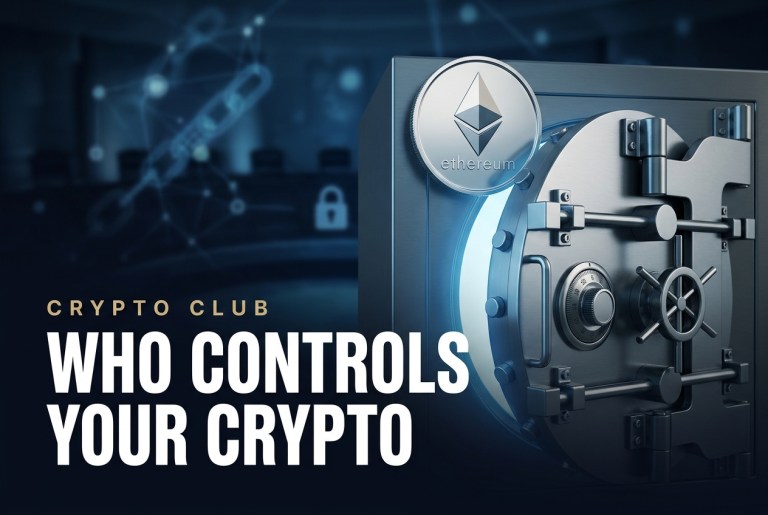
The council’s intervention immediately reopened one of crypto’s oldest and most uncomfortable debates. Decentralization, in its purest form, means no individual or group can unilaterally interfere with transactions once they are executed on-chain. That principle is often summarized by the phrase “code is law,” meaning the blockchain’s rules, not human judgment, determine outcomes. When a small elected council steps in and overrides that outcome, regardless of the reason, the philosophical tension becomes impossible to ignore. Supporters of the freeze pointed out that the Security Council’s emergency powers were always public knowledge, written into Arbitrum’s governance framework, and never hidden from users. They framed the decision as a deliberate tradeoff: accept a degree of centralized control in exchange for a meaningful ability to respond to catastrophic threats. Critics pushed back hard, arguing that a council capable of freezing $71 million in assets is, functionally, not a decentralized network, but a sophisticated multisig wallet with extra steps.
📣 The Community Is Divided and Vocal
Reaction across crypto social media and forums was sharp and split. Threat researcher Vladimir S. praised the action as a clear example of effective asset recovery in the face of a sophisticated state-sponsored attack. Meanwhile, Leonidas, the creator of the DOG memecoin, argued that decentralization has become little more than a marketing term, and that Bitcoin remains the only network that genuinely lives up to the label. Justin Sun and other prominent figures questioned how Arbitrum can credibly describe itself as decentralized if a council of 12 people can freeze tens of millions in user-adjacent assets on short notice. Ripple CTO David Schwartz offered a more nuanced take, clarifying that while councils can make on-chain governance claims, they cannot compel anyone to accept those claims as legitimate. The community responses reflect a real fault line: many users joined DeFi precisely because they believed no one could touch their funds, and this incident challenged that assumption directly.
🌐 This Is Bigger Than Arbitrum
Arbitrum is not the first Layer 2 or blockchain to exercise centralized fund controls during a crisis. In 2022, BNB Chain implemented blacklist functionality after a $570 million bridge exploit. In 2025, Sui froze over $160 million in assets from the Cetus DEX hack and later returned them through a community vote. Research from security firms has found that across major blockchain networks, a significant number can freeze user funds at the protocol level, often through hardcoded blacklists, configuration file controls, or smart contract mechanisms. Most Layer 2 networks, including Arbitrum, still operate with emergency “training wheels” built in, including upgrade keys held by small teams and security councils with broad powers. Industry analysts at Blockworks have flagged sequencer centralization as a systemic risk affecting nearly half of the L2 ecosystem. Each freeze, however justified, sets a precedent that makes the next one easier to accept.
🎯 What Investors and DeFi Users Should Take Away
The Arbitrum freeze is a landmark moment because it puts a number, $71 million, on a question the industry has been quietly avoiding: how much centralization are users actually accepting when they deposit funds into a Layer 2 network? For investors, the honest answer is: more than the marketing materials suggest. Arbitrum’s Security Council acted with transparency and good intent, and most observers agree the freeze was the right call given the circumstances. But good intentions do not change the structural reality that a 12-person council holds emergency power over assets at scale. For anyone holding funds on a Layer 2, the actionable step is to check where your chosen network sits on the L2Beat decentralization ratings, which tracks which protocols have reached Stage 2 autonomy and which still carry centralized override risk. The frozen funds remain locked pending governance and law enforcement outcomes. How Arbitrum resolves this case may well define the standard for how decentralized networks handle the next major crisis.
Sources
https://www.coindesk.com/tech/2026/04/22/inside-the-usd71-million-freeze-on-arbitrum-that-has-the-crypto-world-questioning-what-decentralization-really-means
https://bitcoinke.io/2026/04/arbitrum-freezes-ether-from-kelp-dao-exploit/
https://www.cryptotimes.io/2026/04/21/arbitrum-freezes-kelpdao-hackers-71m-but-sparks-debate-on-centralization/
https://coinpedia.org/news/arbitrum-security-council-freezes-30766-eth-linked-to-kelpdao-exploit/
https://www.tftc.io/arbitrum-freezes-stolen-eth-defi-decentralization-theater/
https://financefeeds.com/blockchain-freeze-how-fund-control-threatens-the-core-of-decentralization/
https://blockworks.com/news/layer-2-centralization-poses-dangers-for-blockchain
https://l2beat.com
Crypto Club and Mode Mobile communications are for informational purposes only, and are not a recommendation, solicitation, or research report relating to any investment strategy, security, or digital asset. All investments involve risk including the loss of principal and past performance does not guarantee future results.
Any information contained in this commentary does not purport to be a complete description of the securities, markets, or developments referred to in this material. The information has been obtained from sources considered to be reliable, but we do not guarantee that the foregoing material is accurate or complete. There is no guarantee that any statements or opinions provided herein will prove to be correct.
Get fresh insights, breaking news, and hidden gems in the world of crypto—delivered straight to your inbox with our Crypto Cookies newsletter.
Don’t miss out—sign up now and get your first bite of insider knowledge!